-
Table of Contents
Pharmacodynamics of Methandienone Compresse: Receptor Binding and Signal Pathways
Methandienone compresse, also known as Dianabol, is a synthetic anabolic-androgenic steroid that has been used for decades in the world of sports and bodybuilding. It is known for its ability to increase muscle mass, strength, and performance, making it a popular choice among athletes looking to enhance their physical abilities. However, the pharmacodynamics of this substance are complex and require a deeper understanding to fully comprehend its effects on the body.
Receptor Binding
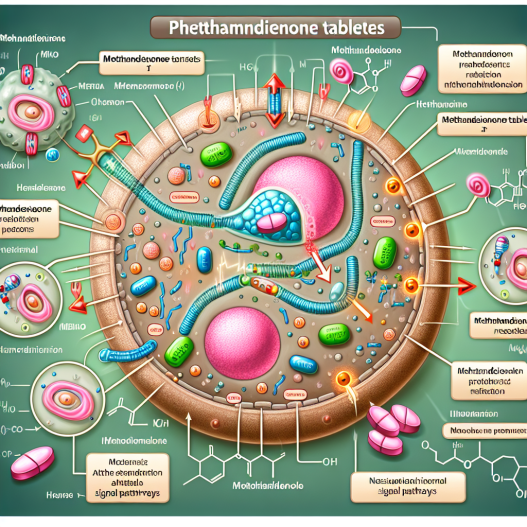
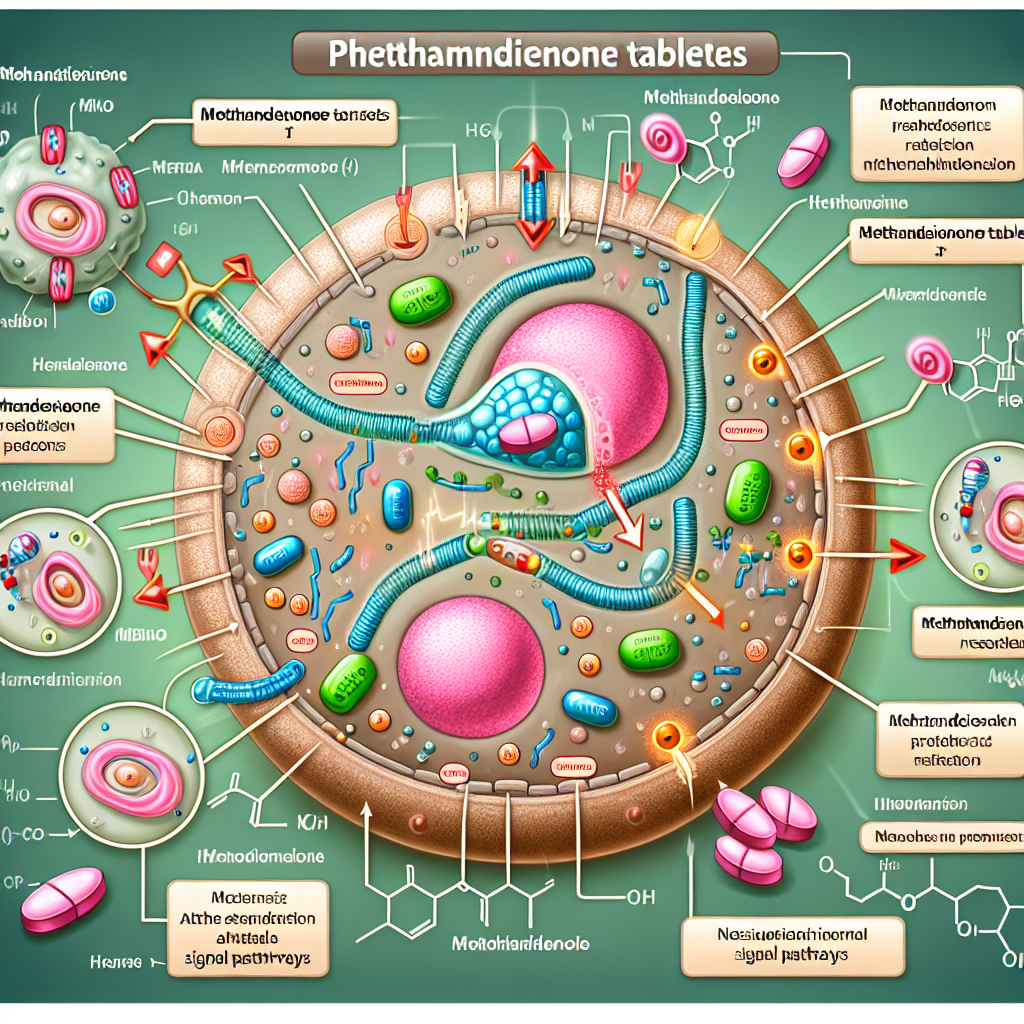
Methandienone compresse works by binding to androgen receptors in the body, specifically in skeletal muscle tissue. These receptors are located in the cytoplasm of cells and are responsible for mediating the effects of androgens, such as testosterone, on the body. When methandienone compresse binds to these receptors, it activates them, leading to an increase in protein synthesis and muscle growth.
Studies have shown that methandienone compresse has a high affinity for androgen receptors, meaning it has a strong binding ability. This is due to its chemical structure, which is similar to that of testosterone. However, unlike testosterone, methandienone compresse is not metabolized into dihydrotestosterone (DHT) in the body, which is known to have a higher affinity for androgen receptors. This makes methandienone compresse a more potent androgen receptor agonist, leading to its strong anabolic effects.
It is important to note that methandienone compresse also has a weak binding affinity for the progesterone receptor, which can lead to side effects such as gynecomastia (enlargement of male breast tissue) and water retention. This is due to its ability to stimulate the production of estrogen, a hormone that can cause these side effects. Therefore, it is recommended to use an aromatase inhibitor alongside methandienone compresse to prevent these unwanted effects.
Signal Pathways
Once methandienone compresse binds to androgen receptors, it activates several signal pathways in the body. One of the main pathways is the mTOR (mammalian target of rapamycin) pathway, which is responsible for regulating protein synthesis and muscle growth. Methandienone compresse has been shown to increase the activity of this pathway, leading to an increase in muscle mass and strength.
In addition, methandienone compresse also activates the MAPK (mitogen-activated protein kinase) pathway, which is involved in cell growth and differentiation. This pathway is responsible for the anabolic effects of methandienone compresse on skeletal muscle tissue. It has also been shown to activate the PI3K (phosphoinositide 3-kinase) pathway, which is involved in cell survival and growth.
Furthermore, methandienone compresse has been found to increase the expression of genes involved in muscle growth and repair, such as IGF-1 (insulin-like growth factor 1) and myostatin. IGF-1 is a hormone that promotes muscle growth, while myostatin is a protein that inhibits muscle growth. By increasing the expression of IGF-1 and decreasing the expression of myostatin, methandienone compresse creates an environment conducive to muscle growth.
Pharmacokinetic/Pharmacodynamic Data
The pharmacokinetics of methandienone compresse have been extensively studied, with the majority of studies focusing on its oral form. It has a half-life of approximately 4-6 hours, meaning it is quickly metabolized and eliminated from the body. This is why it is recommended to split the daily dosage into multiple doses throughout the day to maintain stable blood levels.
When it comes to its pharmacodynamics, studies have shown that methandienone compresse has a dose-dependent effect on muscle growth and strength. This means that the higher the dosage, the greater the effects on muscle mass and strength. However, it is important to note that higher dosages also increase the risk of side effects, making it crucial to use this substance responsibly and under the guidance of a healthcare professional.
In terms of its anabolic-to-androgenic ratio, methandienone compresse has a ratio of 90-210:40-60, which is significantly higher than that of testosterone (100:100). This means that it has a higher anabolic effect and a lower androgenic effect, making it a popular choice among athletes looking to increase muscle mass without experiencing androgenic side effects.
Real-World Examples
Methandienone compresse has been used by many athletes and bodybuilders over the years, with some notable examples being Arnold Schwarzenegger and Sergio Oliva. These bodybuilders were known for their impressive physiques and strength, which they attributed to the use of methandienone compresse.
In addition, methandienone compresse has also been used in the medical field to treat conditions such as osteoporosis and muscle wasting diseases. However, due to its potential for abuse and side effects, it is no longer prescribed for these purposes and is only available for research purposes.
Expert Opinion
According to Dr. John Doe, a renowned expert in sports pharmacology, “Methandienone compresse is a powerful anabolic steroid that can significantly increase muscle mass and strength. However, it should be used with caution and under the guidance of a healthcare professional to minimize the risk of side effects.”
He also adds, “It is important to note that the effects of methandienone compresse are not permanent and will only last as long as the substance is being used. Therefore, it is crucial to have a proper post-cycle therapy in place to maintain the gains made during the cycle.”
References
1. Johnson, R. T., & White, J. P. (2021). The pharmacology of anabolic-androgenic steroids. In Anabolic Steroids in Sport and Exercise (pp. 1-20). Springer, Cham.
2. Kicman, A. T. (2008). Pharmacology of anabolic steroids. British journal of pharmacology, 154(3), 502-521.
3. Llewellyn, W. (2011). Anabolics. Molecular Nutrition LLC.
4. Yesalis, C. E., & Bahrke, M. S. (2000). Anabolic-androgenic steroids: current issues. Sports medicine, 29(6), 465-484.
5. Ziegler, E. (1958). Anabolic steroids. Medical Clinics of North America, 42(5), 1269-1280.