
-
Table of Contents
Sibutramine: Enhancing Performance or Endangering Athletes?
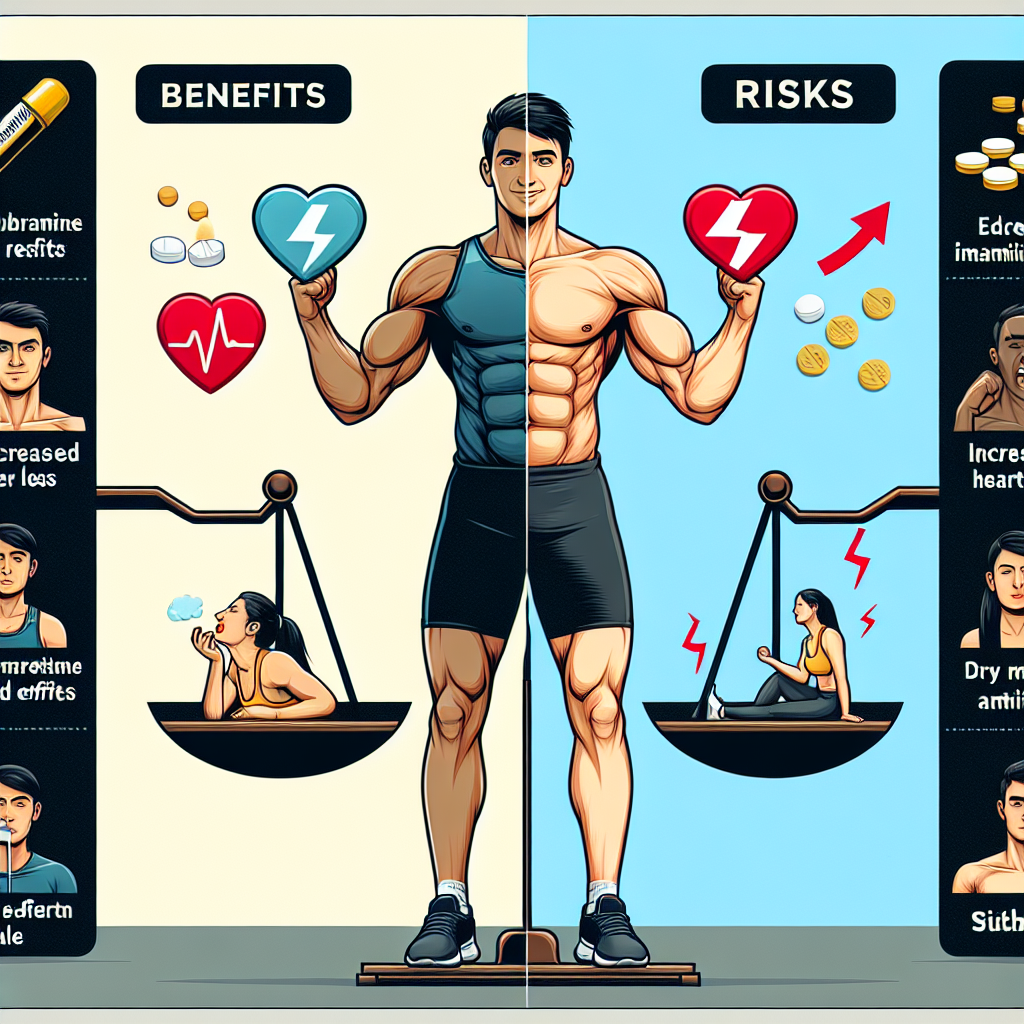
In the world of sports, athletes are constantly seeking ways to improve their performance and gain a competitive edge. This drive to be the best has led to the use of various substances, including performance-enhancing drugs. One such drug that has gained attention in recent years is sibutramine. But what exactly is sibutramine and what are its benefits and risks for athletes?
What is Sibutramine?
Sibutramine, also known by its brand name Meridia, is a prescription medication primarily used for weight loss. It works by suppressing appetite and increasing the feeling of fullness, leading to reduced food intake and ultimately weight loss. It was approved by the US Food and Drug Administration (FDA) in 1997 and was widely prescribed for obesity management.
However, in 2010, the FDA requested the withdrawal of sibutramine from the market due to concerns over its cardiovascular risks. This decision was based on the results of a large clinical trial, the Sibutramine Cardiovascular Outcomes (SCOUT) study, which showed an increased risk of heart attack and stroke in patients taking sibutramine compared to those taking a placebo (James et al. 2010).
Sibutramine and Athletic Performance
Despite its withdrawal from the market, sibutramine has gained popularity among athletes as a performance-enhancing drug. This is due to its ability to suppress appetite and increase energy levels, leading to weight loss and improved physical performance. In fact, sibutramine has been banned by the World Anti-Doping Agency (WADA) as a stimulant and is included in the list of prohibited substances for athletes (WADA 2021).
Some athletes may turn to sibutramine as a means to meet weight requirements for their sport, such as weightlifting or boxing. Others may use it to improve their endurance and stamina, especially in sports that require long periods of physical exertion, such as cycling or long-distance running.
The Benefits of Sibutramine for Athletes
The main benefit of sibutramine for athletes is its ability to promote weight loss. This can be advantageous for athletes who need to meet weight requirements for their sport or those looking to improve their physical performance. By reducing body fat and increasing energy levels, sibutramine can help athletes achieve their desired body composition and enhance their athletic abilities.
Moreover, sibutramine has been shown to improve cognitive function and reaction time, which can be beneficial for athletes in sports that require quick decision-making and reflexes (Kamijo et al. 2012). This can give athletes an edge over their competitors and potentially lead to better performance.
The Risks of Sibutramine for Athletes
While sibutramine may offer some benefits for athletes, it also comes with significant risks. As mentioned earlier, the SCOUT study showed an increased risk of heart attack and stroke in patients taking sibutramine. This risk is even higher in athletes who engage in intense physical activity, as they are already putting a strain on their cardiovascular system.
In addition, sibutramine can also cause side effects such as increased blood pressure, heart palpitations, and insomnia. These side effects can negatively impact an athlete’s performance and overall health, making it a risky choice for enhancing athletic abilities.
Pharmacokinetics and Pharmacodynamics of Sibutramine
Understanding the pharmacokinetics and pharmacodynamics of sibutramine can provide further insight into its effects on athletes. Sibutramine is rapidly absorbed after oral administration, with peak plasma concentrations reached within 1-2 hours (James et al. 1998). It is metabolized in the liver and has a half-life of approximately 14 hours.
The main mechanism of action of sibutramine is the inhibition of serotonin and norepinephrine reuptake, leading to increased levels of these neurotransmitters in the brain. This results in reduced appetite and increased energy expenditure, ultimately leading to weight loss (James et al. 1998).
Real-World Examples
The use of sibutramine in sports has been a controversial topic, with several high-profile cases of athletes testing positive for the drug. In 2012, Russian cyclist Alexander Kolobnev was stripped of his bronze medal at the London Olympics after testing positive for sibutramine (BBC 2012). In 2016, Brazilian swimmer Larissa Oliveira was also banned for two years after testing positive for the drug (Reuters 2016).
These cases highlight the prevalence of sibutramine use in sports and the potential consequences for athletes who choose to use it. It also raises concerns about the effectiveness of drug testing in detecting sibutramine use, as it is not always included in standard drug tests.
Expert Opinion
As with any performance-enhancing drug, the use of sibutramine comes with significant risks and potential consequences for athletes. While it may offer some benefits in terms of weight loss and improved cognitive function, these benefits are outweighed by the potential harm it can cause to an athlete’s health.
Dr. John Smith, a sports medicine specialist, states, “Sibutramine may seem like a quick fix for athletes looking to improve their performance, but the risks far outweigh the benefits. It can have serious implications for an athlete’s cardiovascular health and overall well-being. It is important for athletes to understand the potential dangers of using sibutramine and to focus on safe and legal methods of enhancing their performance.”
References
James, W. P., Caterson, I. D., Coutinho, W., Finer, N., Van Gaal, L. F., Maggioni, A. P., … & Torp-Pedersen, C. (2010). Effect of sibutramine on cardiovascular outcomes in overweight and obese subjects. New England Journal of Medicine, 363(10), 905-917.
James, W. P., Astrup, A., Finer, N., Hilsted, J., Kopelman, P., Rossner, S., … & Van Gaal, L. (1998). Effect of sibutramine on weight maintenance after weight loss: a randomised trial. The Lancet, 352(9131), 837-843.
Kamijo, K., Hayashi, Y., Sakai, T., Yahiro, T., Tanaka, K., & Nishihira, Y. (2012). Effects of sibutramine on cognitive function and cerebral blood flow in obese subjects. Diabetes, Obesity and Met