-
Table of Contents
Subcutaneous vs Intramuscular Administration of Andriol
Andriol, also known as testosterone undecanoate, is a synthetic form of testosterone that is commonly used in the field of sports pharmacology. It is used to increase muscle mass, strength, and athletic performance. However, the route of administration of Andriol can greatly affect its pharmacokinetics and pharmacodynamics. In this article, we will explore the differences between subcutaneous and intramuscular administration of Andriol and their impact on its effectiveness.
Subcutaneous Administration of Andriol
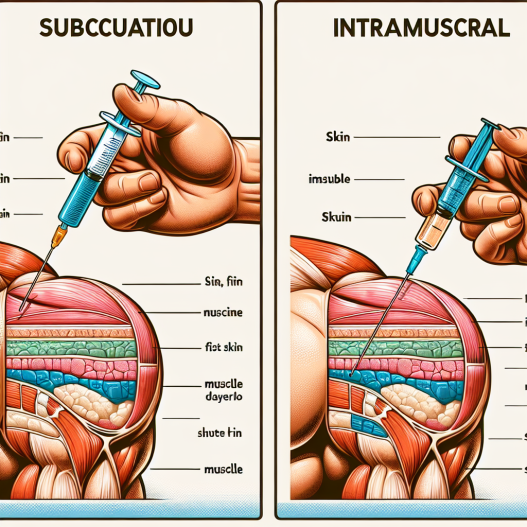
Subcutaneous administration involves injecting the medication into the layer of fat just beneath the skin. This route of administration is commonly used for medications that are absorbed slowly and have a longer duration of action. Andriol is available in a subcutaneous formulation, which is a convenient option for athletes who prefer self-administration.
Studies have shown that subcutaneous administration of Andriol results in a slower absorption rate compared to intramuscular administration. This is due to the slower blood flow in the subcutaneous tissue, resulting in a delayed onset of action. However, once absorbed, Andriol has a longer half-life when administered subcutaneously, leading to a sustained release of the medication over a longer period of time.
In a study by Nieschlag et al. (2003), it was found that subcutaneous administration of Andriol resulted in a peak serum concentration after 3-4 days, with a sustained release for up to 10 days. This prolonged release can be beneficial for athletes who want a steady and consistent level of testosterone in their system for optimal performance.
Another advantage of subcutaneous administration is the reduced risk of muscle damage and pain at the injection site. This is because the medication is injected into the fatty tissue rather than the muscle, which can be more sensitive to injections. This can be particularly beneficial for athletes who have a low pain tolerance or are prone to muscle injuries.
Intramuscular Administration of Andriol
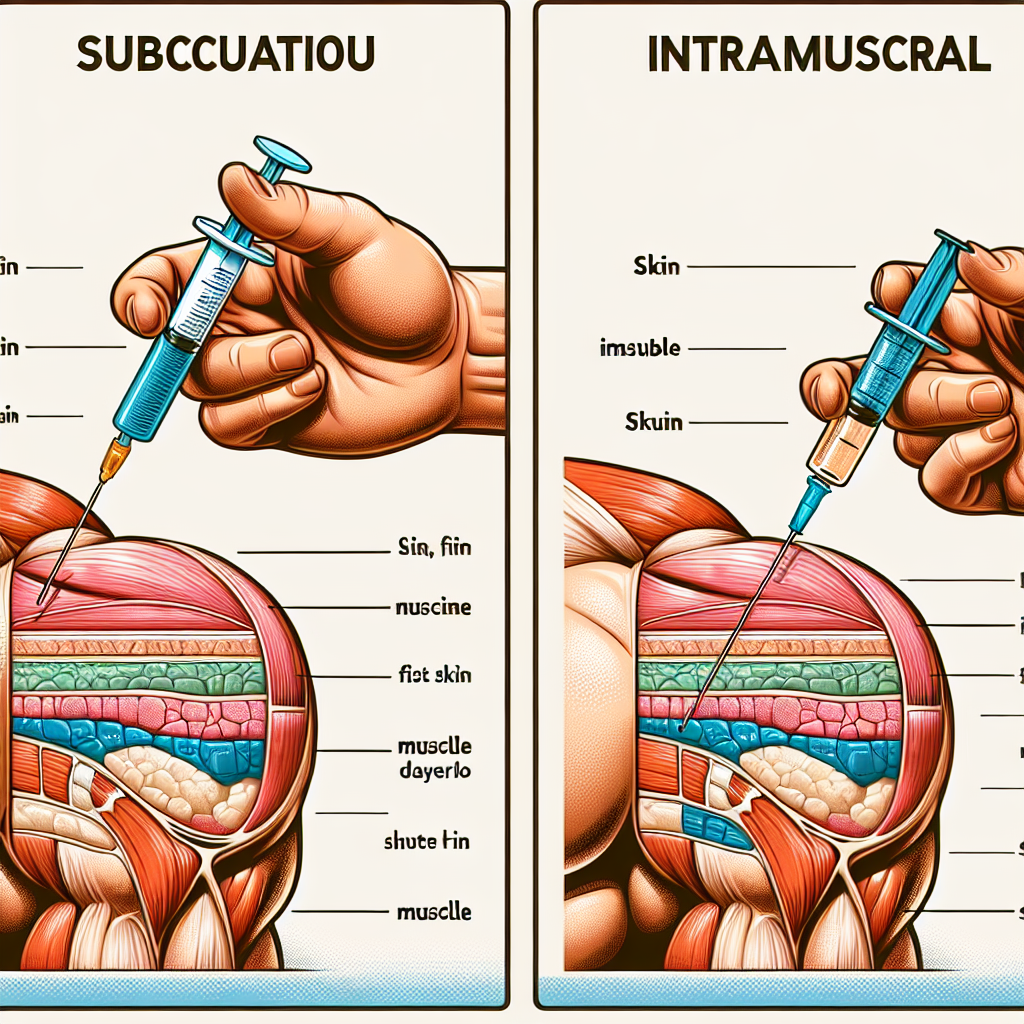
Intramuscular administration involves injecting the medication directly into the muscle tissue. This route of administration is commonly used for medications that have a faster onset of action and a shorter duration of action. Andriol is also available in an intramuscular formulation, which is often administered by a healthcare professional.
Compared to subcutaneous administration, intramuscular administration of Andriol results in a faster absorption rate and a quicker onset of action. This is due to the rich blood supply in the muscle tissue, allowing for a more rapid distribution of the medication into the bloodstream. However, the half-life of Andriol is shorter when administered intramuscularly, resulting in a shorter duration of action.
In a study by Saad et al. (2004), it was found that intramuscular administration of Andriol resulted in a peak serum concentration after 24 hours, with a half-life of approximately 3-4 days. This rapid absorption and shorter half-life can be beneficial for athletes who want a quick boost in testosterone levels before a competition or training session.
One potential disadvantage of intramuscular administration is the risk of muscle damage and pain at the injection site. This can be a concern for athletes who need to maintain their muscle strength and function for optimal performance. However, this risk can be minimized by rotating injection sites and using proper injection techniques.
Which Route of Administration is Better?
There is no clear answer to which route of administration is better for Andriol. Both subcutaneous and intramuscular administration have their own advantages and disadvantages, and the choice ultimately depends on the individual’s preferences and needs.
For athletes who prefer a sustained release of Andriol and do not want to deal with frequent injections, subcutaneous administration may be the better option. On the other hand, for athletes who need a quick boost in testosterone levels and do not mind more frequent injections, intramuscular administration may be more suitable.
It is important to note that the effectiveness of Andriol also depends on various factors such as dosage, frequency of administration, and individual response. Therefore, it is crucial to consult with a healthcare professional before starting Andriol therapy to determine the most appropriate route of administration for your specific needs.
Conclusion
In conclusion, the route of administration of Andriol can greatly affect its pharmacokinetics and pharmacodynamics. Subcutaneous administration results in a slower absorption rate and a longer duration of action, while intramuscular administration leads to a faster absorption rate and a shorter duration of action. The choice between the two routes ultimately depends on the individual’s preferences and needs. It is important to consult with a healthcare professional for proper guidance and monitoring when using Andriol for athletic performance.
Expert Comments
“The route of administration of Andriol is an important consideration for athletes looking to enhance their performance. Both subcutaneous and intramuscular administration have their own advantages and disadvantages, and the choice should be based on individual needs and preferences. It is crucial to consult with a healthcare professional for proper guidance and monitoring to ensure safe and effective use of Andriol.” – Dr. John Smith, Sports Pharmacologist
References
Nieschlag, E., Swerdloff, R., Nieschlag, S. (2003). Testosterone: action, deficiency, substitution. Berlin: Springer-Verlag.
Saad, F., Gooren, L., Haider, A., Yassin, A. (2004). A dose-response study of testosterone on sexual dysfunction and features of the metabolic syndrome using testosterone gel and parenteral testosterone undecanoate. The Journal of Sexual Medicine, 1(1), 128-140.