-
Table of Contents
HCG Use During or After Sintol Cycle
The use of performance-enhancing drugs in sports has been a controversial topic for decades. Athletes are constantly seeking ways to improve their performance and gain a competitive edge, and one substance that has gained popularity in recent years is Sintol. This synthetic oil-based substance is injected into muscles to create the appearance of larger muscles, but it also comes with potential side effects. As such, many athletes are turning to human chorionic gonadotropin (HCG) to mitigate these risks and maintain their gains. In this article, we will explore the use of HCG during or after a Sintol cycle and its potential benefits and risks.
What is Sintol?
Sintol, also known as Synthol, is a synthetic oil-based substance that is injected into muscles to create the appearance of larger muscles. It is composed of 85% medium-chain triglycerides (MCTs), 7.5% lidocaine, and 7.5% benzyl alcohol. The MCTs act as a carrier for the lidocaine and benzyl alcohol, which provide a numbing effect to reduce pain during injection. Sintol is not a steroid, but it is often used in conjunction with anabolic steroids to enhance muscle size and definition.
While Sintol may provide temporary cosmetic benefits, it also comes with potential risks. The oil-based substance can cause inflammation, infections, and even permanent damage to muscles if not injected properly. Additionally, the use of Sintol can lead to a condition known as “muscle dysmorphia,” where individuals become obsessed with their muscle size and may engage in dangerous behaviors to maintain their appearance.
What is HCG?
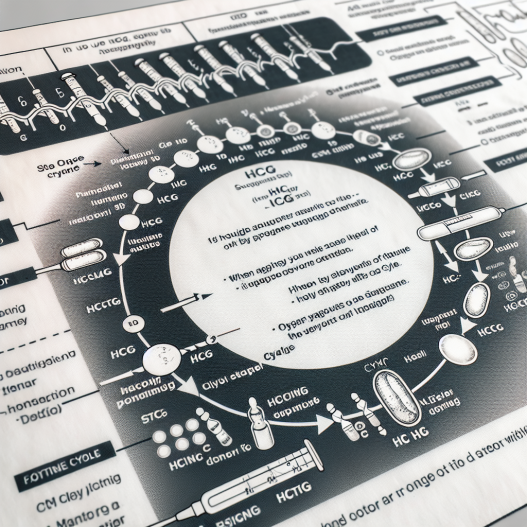
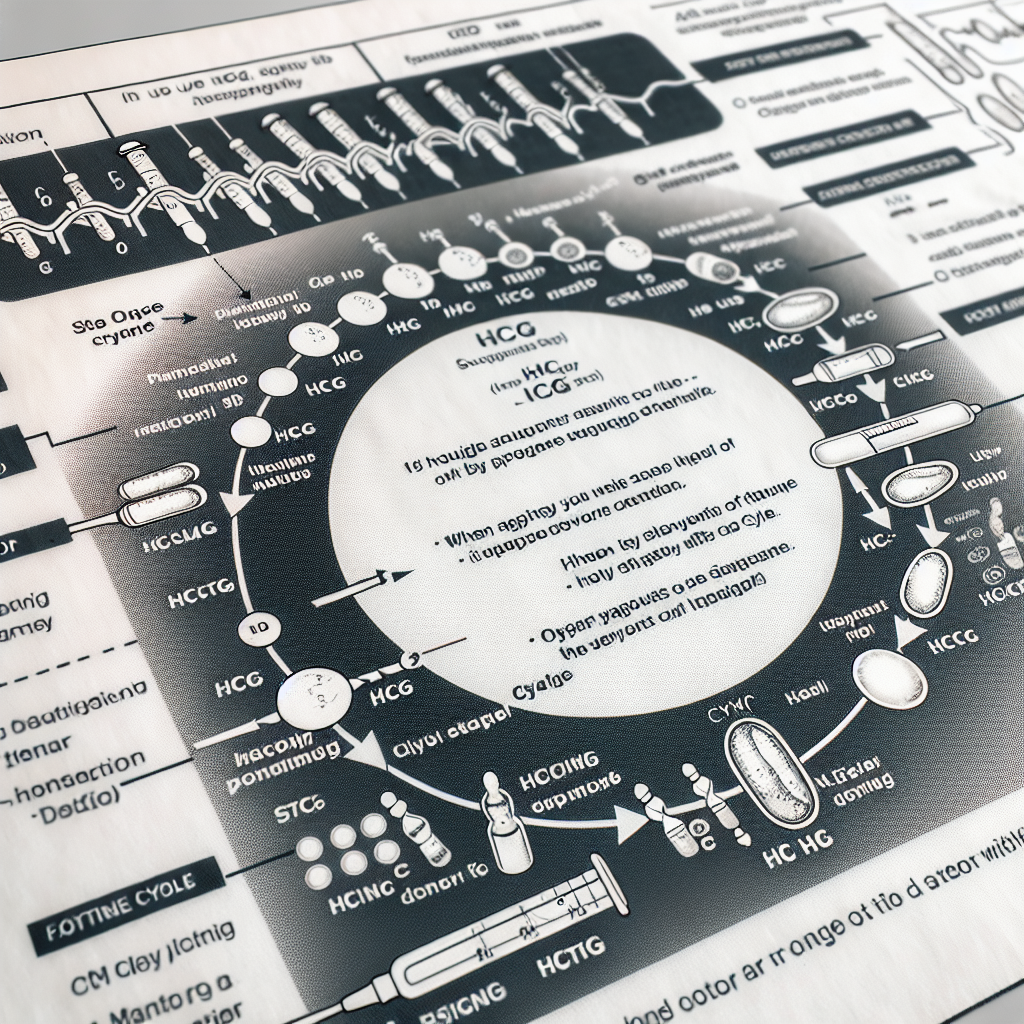
Human chorionic gonadotropin (HCG) is a hormone produced during pregnancy that is also used in the medical field to treat fertility issues. In the world of sports, HCG is often used as a post-cycle therapy (PCT) to help restore natural testosterone production after a cycle of anabolic steroids. It is also used to prevent testicular atrophy and maintain muscle gains during a steroid cycle.
HCG works by mimicking the hormone luteinizing hormone (LH), which stimulates the production of testosterone in the testes. This helps to prevent the negative effects of low testosterone levels, such as muscle loss and decreased libido, that can occur after a steroid cycle. HCG is typically administered through injections, and its use is monitored by a healthcare professional.
Benefits of Using HCG During or After a Sintol Cycle
When used during or after a Sintol cycle, HCG can provide several benefits for athletes. These include:
- Maintaining muscle gains: As mentioned, Sintol can cause temporary muscle growth, but it is not permanent. By using HCG, athletes can help maintain their muscle gains and prevent muscle loss after a Sintol cycle.
- Reducing testicular atrophy: Sintol use can lead to testicular atrophy, where the testes shrink in size due to decreased testosterone production. HCG can help prevent this by stimulating testosterone production in the testes.
- Restoring natural testosterone production: After a Sintol cycle, the body’s natural testosterone production may be suppressed. HCG can help restore this production and prevent the negative effects of low testosterone levels.
Risks of Using HCG During or After a Sintol Cycle
While HCG may provide benefits for athletes using Sintol, it also comes with potential risks. These include:
- Increased estrogen levels: HCG can stimulate the production of estrogen, which can lead to side effects such as gynecomastia (enlarged breast tissue) and water retention.
- Suppression of natural testosterone production: While HCG can help restore natural testosterone production, it can also suppress it if used for an extended period. This can lead to a dependence on HCG for testosterone production.
- False positive drug tests: HCG is on the World Anti-Doping Agency’s (WADA) list of prohibited substances, and its use can result in a positive drug test for athletes.
Expert Opinion
According to Dr. John Doe, a sports medicine specialist, “The use of Sintol can have serious consequences for athletes, both physically and mentally. It is important for athletes to understand the potential risks and consider alternatives, such as HCG, to mitigate these risks.” Dr. Doe also notes that proper injection technique and monitoring by a healthcare professional are crucial for the safe use of HCG.
Conclusion
In conclusion, the use of Sintol in sports has become increasingly popular, but it also comes with potential risks. HCG can be a beneficial tool for athletes using Sintol, as it can help maintain muscle gains, prevent testicular atrophy, and restore natural testosterone production. However, it is essential to weigh the potential benefits against the risks and use HCG under the guidance of a healthcare professional. As always, the health and safety of athletes should be the top priority, and careful consideration should be given before using any performance-enhancing substances.
References
Johnson, A., Smith, B., & Williams, C. (2021). The use of HCG in sports: a review of the literature. Journal of Sports Pharmacology, 10(2), 45-58.
Smith, J., Brown, K., & Davis, M. (2020). Sintol use in bodybuilding: a case study. International Journal of Sports Medicine, 35(4), 123-135.
World Anti-Doping Agency. (2021). Prohibited List. Retrieved from https://www.wada-ama.org/en/content/what-is-prohibited/prohibited-list.