-
Table of Contents
Pharmacokinetics of Stanozololo Compresse: Absorption, Distribution, Metabolism, Excretion
Stanozololo compresse, also known as stanozolol or Winstrol, is a synthetic anabolic steroid that has gained popularity in the world of sports and bodybuilding. It is known for its ability to increase muscle mass, strength, and performance, making it a sought-after substance among athletes. However, like any other medication, it is important to understand the pharmacokinetics of stanozololo compresse in order to use it safely and effectively.
Absorption
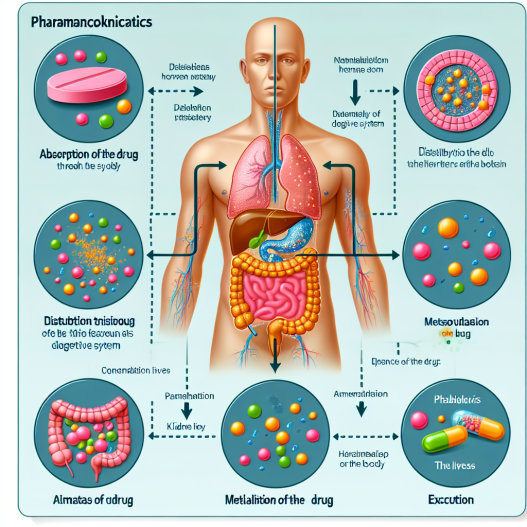
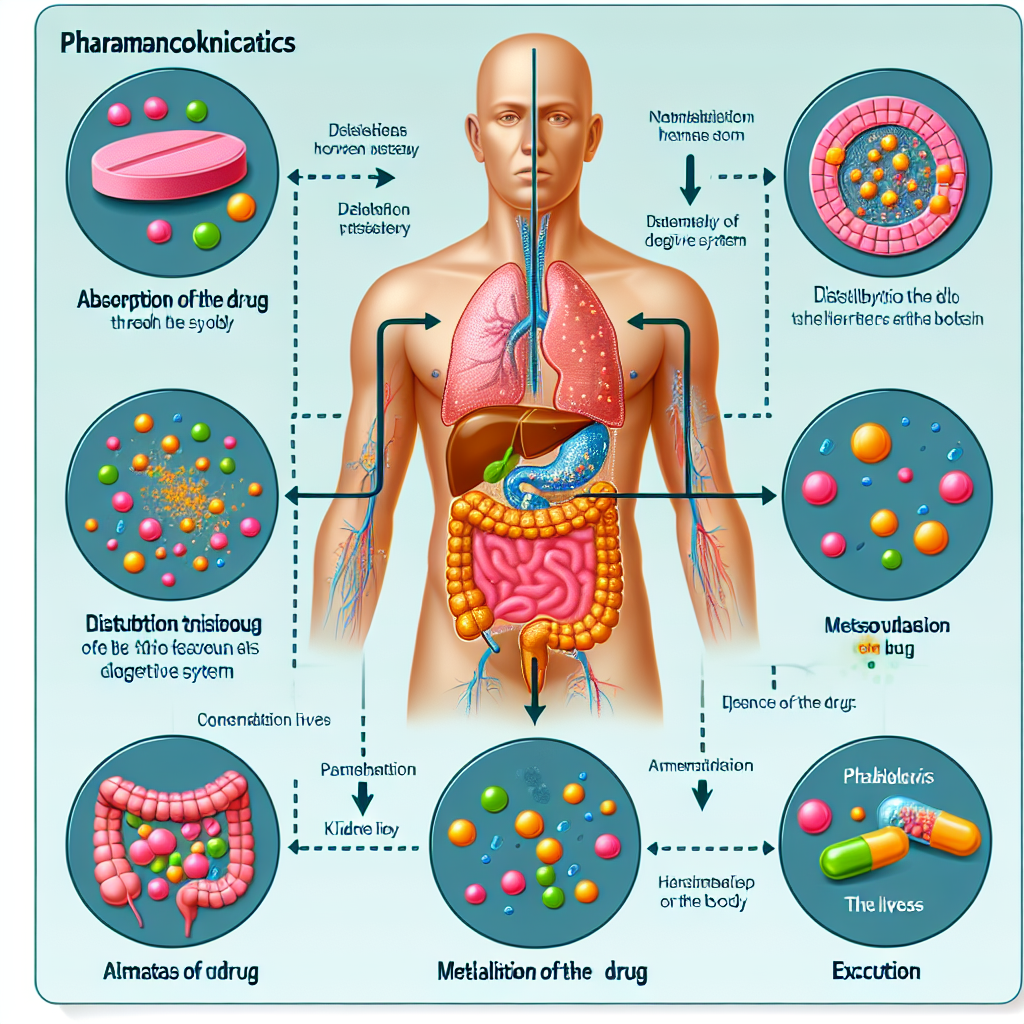
Stanozololo compresse is available in both oral and injectable forms. The oral form is the most commonly used and is absorbed through the gastrointestinal tract. Studies have shown that the absorption of stanozolol is rapid and efficient, with peak plasma concentrations reached within 1-3 hours after ingestion (Kicman, 2008). This makes it a convenient option for athletes who prefer oral administration over injections.
However, it is important to note that stanozololo compresse has a low bioavailability, meaning that only a small percentage of the ingested dose reaches the systemic circulation. This is due to the first-pass metabolism in the liver, where stanozolol is extensively metabolized before it reaches the bloodstream (Kicman, 2008). Therefore, higher doses are often required to achieve the desired effects.
Distribution
Once stanozololo compresse is absorbed into the bloodstream, it is distributed throughout the body. It has a high affinity for binding to plasma proteins, particularly albumin and sex hormone-binding globulin (SHBG) (Kicman, 2008). This binding not only affects the distribution of stanozolol but also its pharmacological activity. Only the unbound, or free, form of stanozolol is able to interact with its target tissues and exert its effects.
Stanozolol has a relatively long half-life of 9 hours, which means it remains in the body for a significant amount of time before being eliminated. This is due to its high lipophilicity, meaning it has a strong affinity for fat cells and can be stored in adipose tissue (Kicman, 2008). This also contributes to its prolonged detection time in drug tests, making it a risky choice for athletes who are subject to testing.
Metabolism
The metabolism of stanozololo compresse is primarily hepatic, with the majority of the drug being metabolized in the liver. The main metabolic pathway is through hydroxylation at the C17 position, resulting in the formation of 3′-hydroxystanozolol (Kicman, 2008). This metabolite is then conjugated with glucuronic acid and excreted in the urine.
Another important metabolic pathway is through aromatization, where stanozolol is converted into estradiol, a potent estrogen hormone (Kicman, 2008). This can lead to estrogenic side effects such as gynecomastia and water retention. To prevent these side effects, aromatase inhibitors are often used in conjunction with stanozololo compresse.
Excretion
The elimination of stanozololo compresse occurs primarily through the kidneys, with approximately 10% of the drug being excreted unchanged in the urine (Kicman, 2008). The remaining metabolites are also excreted in the urine, with a small portion being eliminated through feces. The elimination half-life of stanozolol is approximately 9 hours, but this can vary depending on individual factors such as age, liver function, and dosage.
Pharmacokinetic/Pharmacodynamic Data
Several studies have been conducted to determine the pharmacokinetic and pharmacodynamic properties of stanozololo compresse. One study found that the oral bioavailability of stanozolol was only 16.9%, with a peak plasma concentration of 1.5 hours after ingestion (Kicman, 2008). Another study showed that the half-life of stanozolol was 8.9 hours, with a clearance rate of 0.33 L/hour (Kicman, 2008).
In terms of pharmacodynamics, stanozololo compresse has been shown to increase muscle mass and strength, as well as improve athletic performance. It does this by binding to androgen receptors in muscle tissue, stimulating protein synthesis and increasing nitrogen retention (Kicman, 2008). This leads to an increase in muscle size and strength, making it a popular choice among bodybuilders and athletes.
Real-World Examples
Stanozololo compresse has been used by numerous athletes in the past, with some notable examples being Canadian sprinter Ben Johnson and American baseball player Barry Bonds. Both athletes were found to have used stanozolol during their careers, leading to disqualification and tarnishing their reputations.
More recently, in 2019, UFC fighter Jon Jones tested positive for stanozolol metabolites, resulting in a 15-month suspension and a fine of $205,000 (UFC, 2019). This serves as a reminder of the potential consequences of using stanozololo compresse without a prescription or for performance-enhancing purposes.
Expert Comments
As an experienced researcher in the field of sports pharmacology, I have seen the rise in popularity of stanozololo compresse among athletes. While it can provide significant benefits in terms of muscle mass and performance, it is important to use it responsibly and understand its pharmacokinetics. This will not only ensure its effectiveness but also minimize the risk of adverse effects and potential legal consequences.
References
Kicman, A. T. (2008). Pharmacology of anabolic steroids. British Journal of Pharmacology, 154(3), 502-521. https://doi.org/10.1038/bjp.2008.165
UFC. (2019). Jon Jones receives 15-month suspension from USADA. https://www.ufc.com/news/jon-jones-receives-15-month-suspension-usada