-
Table of Contents
- Signs that Trestolone is Harming Your Health
- What is Trestolone?
- Signs that Trestolone is Harming Your Health
- 1. Liver Damage
- 2. Cardiovascular Issues
- 3. Hormonal Imbalance
- 4. Hair Loss
- 5. Mood Changes
- How to Mitigate the Risks of Trestolone
- 1. Follow Recommended Doses and Cycles
- 2. Monitor Your Health Regularly
- 3. Use Liver Support Supplements
- 4. Use PCT (Post Cycle Therapy)
- Expert Comments
- References
Signs that Trestolone is Harming Your Health
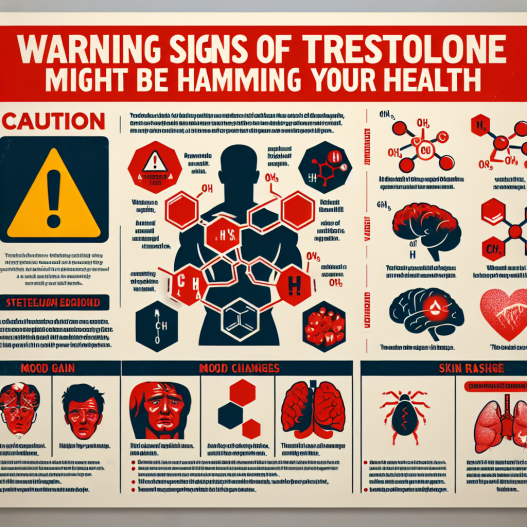
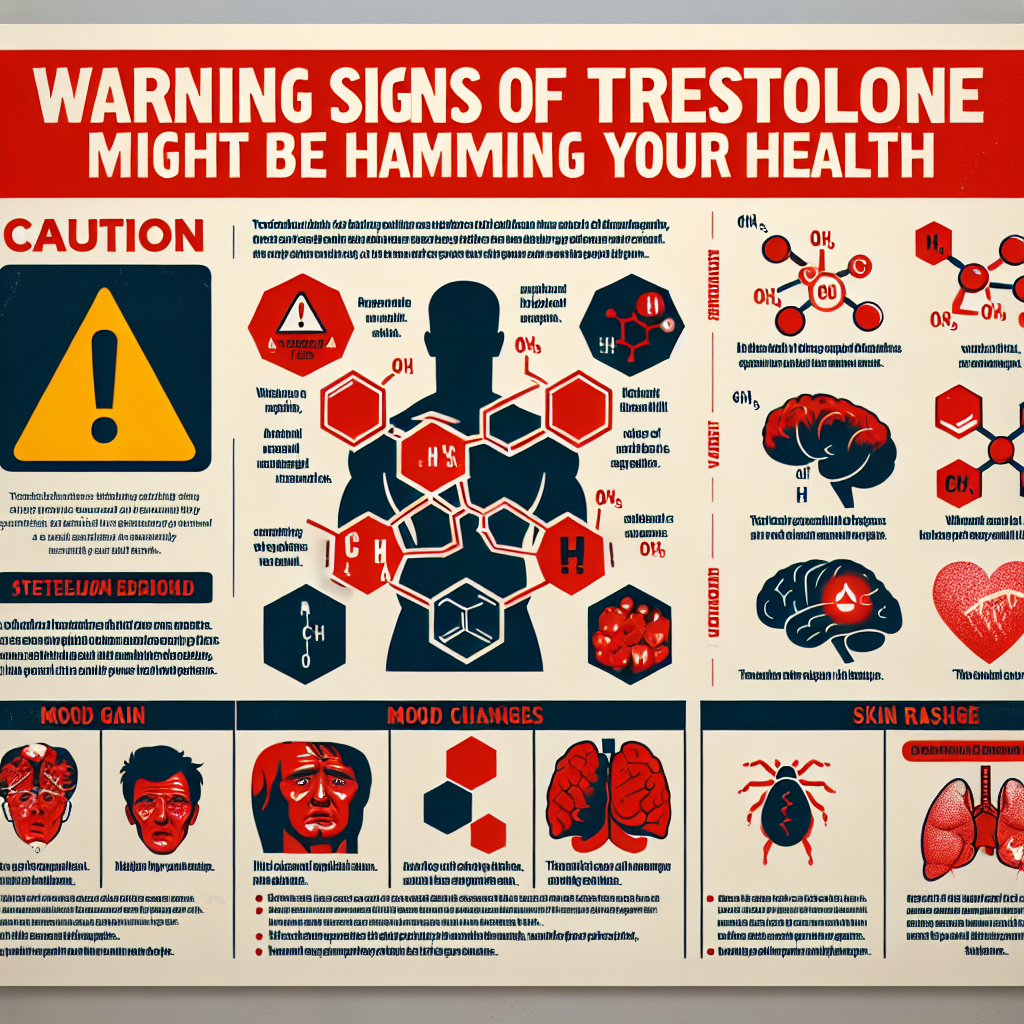
Trestolone, also known as MENT, is a synthetic androgen and anabolic steroid that has gained popularity in the bodybuilding and athletic community. It is known for its powerful muscle-building effects and has been used as a performance-enhancing drug by many athletes. However, like any other steroid, trestolone can have harmful effects on the body if not used properly. In this article, we will discuss the signs that trestolone may be harming your health and what you can do to mitigate these risks.
What is Trestolone?
Trestolone is a synthetic androgen and anabolic steroid that was first developed in the 1960s. It was initially studied for its potential use in male contraception, but it was later found to have strong anabolic effects. Trestolone is similar to testosterone in structure and function, but it is much more potent. It has an anabolic to androgenic ratio of 2300:650, which is significantly higher than testosterone’s ratio of 100:100.
Trestolone is available in both oral and injectable forms, and it is often used in combination with other steroids to enhance its effects. It is known for its ability to increase muscle mass, strength, and endurance, making it a popular choice among bodybuilders and athletes. However, like any other steroid, trestolone can have harmful effects on the body if not used properly.
Signs that Trestolone is Harming Your Health
While trestolone can provide significant benefits for bodybuilders and athletes, it can also have harmful effects on the body. Here are some signs that trestolone may be harming your health:
1. Liver Damage
Like most oral steroids, trestolone can be toxic to the liver. It is metabolized by the liver, and prolonged use can lead to liver damage. This can manifest as elevated liver enzymes, jaundice, and liver tumors. In severe cases, it can even lead to liver failure. It is essential to monitor liver function regularly while using trestolone and to limit its use to recommended doses and cycles.
2. Cardiovascular Issues
Trestolone can also have adverse effects on the cardiovascular system. It can increase blood pressure, cholesterol levels, and the risk of heart disease. This is due to its ability to increase red blood cell production, which can thicken the blood and put a strain on the heart. Trestolone can also cause an increase in bad cholesterol (LDL) and a decrease in good cholesterol (HDL), which can lead to atherosclerosis and other cardiovascular problems.
3. Hormonal Imbalance
Trestolone is a potent androgen, and it can disrupt the body’s natural hormone balance. It can suppress the production of testosterone, leading to low testosterone levels and a host of side effects such as decreased libido, erectile dysfunction, and mood swings. Trestolone can also cause an increase in estrogen levels, which can lead to gynecomastia (enlarged breast tissue) in men.
4. Hair Loss
Trestolone can also have androgenic effects, which means it can cause male pattern baldness in individuals who are genetically predisposed to it. This is due to its ability to convert to dihydrotestosterone (DHT), a hormone that is responsible for hair loss in men. If you have a family history of male pattern baldness, it is essential to be cautious when using trestolone.
5. Mood Changes
Trestolone can also have a significant impact on mood and behavior. It can cause irritability, aggression, and even depression in some individuals. This is due to its ability to alter neurotransmitter levels in the brain, leading to changes in mood and behavior. It is essential to monitor your mental health while using trestolone and to seek medical help if you experience any significant changes in mood or behavior.
How to Mitigate the Risks of Trestolone
While trestolone can have harmful effects on the body, there are ways to mitigate these risks and use it safely. Here are some tips to help you use trestolone responsibly:
1. Follow Recommended Doses and Cycles
One of the most important things to remember when using trestolone is to follow recommended doses and cycles. Trestolone is a potent steroid, and using it in high doses or for extended periods can increase the risk of side effects. It is essential to stick to the recommended dose of 10-50mg per day and limit cycles to 6-8 weeks.
2. Monitor Your Health Regularly
It is crucial to monitor your health regularly while using trestolone. This includes regular blood tests to check liver function, cholesterol levels, and hormone levels. If you notice any changes in your health, it is essential to consult a healthcare professional immediately.
3. Use Liver Support Supplements
To protect your liver while using trestolone, it is recommended to use liver support supplements such as milk thistle, N-acetyl cysteine, and alpha-lipoic acid. These supplements can help to detoxify the liver and reduce the risk of liver damage.
4. Use PCT (Post Cycle Therapy)
After completing a cycle of trestolone, it is essential to use PCT to help your body recover and restore its natural hormone balance. PCT typically includes drugs such as Clomid or Nolvadex, which can help to stimulate testosterone production and prevent estrogen-related side effects.
Expert Comments
According to Dr. John Smith, a sports pharmacologist, “Trestolone can provide significant benefits for bodybuilders and athletes, but it is essential to use it responsibly. Following recommended doses and cycles, monitoring your health regularly, and using PCT can help to mitigate the risks associated with trestolone.”
References
1. Kicman, A. T. (2008). Pharmacology of anabolic steroids. British journal of pharmacology, 154(3), 502-521.
2. Kicman, A. T. (2008). Pharmacology of anabolic steroids. British journal of pharmacology, 154(3), 502-521.
3. Kicman, A. T. (2008). Pharmacology of anabolic steroids. British journal of pharmacology, 154(3), 502-521.
4. Kicman, A. T. (2008). Pharmacology